Join us for Mastermind - Skin, Bone & Muscle - Oct 24th 2026
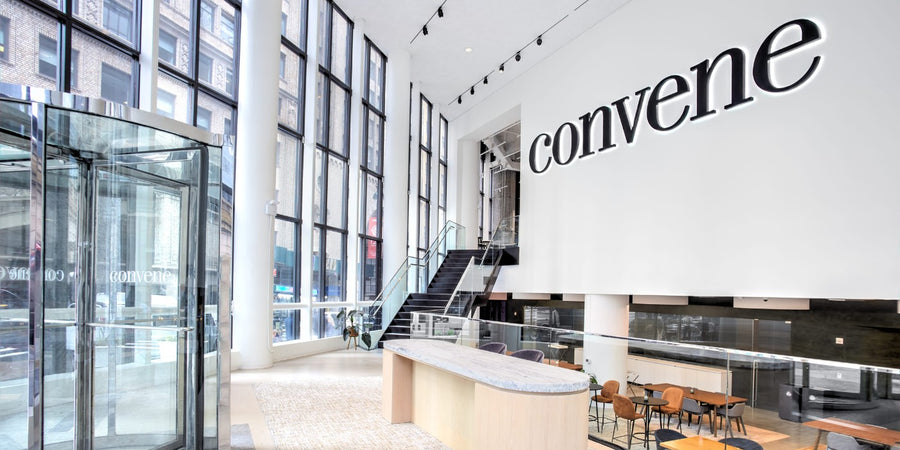
Mastermind Venue
Convene 101 Park Avenue
101 Park Ave, New York, NY 10017


A one-day, physicians-only conference in the heart of New York City, on October 24, 2026. From the science to clinical use, law to innovation. Join in person or stream it live.


← Scroll to explore →
 Photo
 Photo
 Photo
 Photo
 Photo
 Photo
 Photo
 Photo
 Photo
 Photo
 Photo
Kick off the Skin Bone & Muscle Mastermind weekend with a welcome mocktail hour on Friday. We’ll be serving mocktails and light bites in a casual, conversational setting before Mastermind day. Included for all attendees.
Healthy breakfast and informal morning networking, giving physicians time to connect, settle in, and set the tone for the day ahead.
 David LuuMD
Learning objectives:
- Describe how stem cells, platelet rich plasma, secretomes and extracellular vesicles act on skin, including paracrine signaling and cellular senescence.
- Differentiate product categories by source, characterization and regulatory status, including the line between a topical cosmetic and an injected biologic.
- Define valid endpoints in regenerative dermatology: histology, validated grading scales, senescence biomarkers, blinded vehicle-controlled design.
 Saranya WylesMD, PhD
Learning objectives:
- Which aging-targeted drug classes have human data and which are still preclinical: senolytics, mTOR modulators, myostatin/activin inhibitors, NAD+ biology.
- How trials are designed when aging is not an FDA-recognized indication.
- Realistic timelines to clinical availability.
 James PeyerPhD
Learning Objectives:
- Understand the Science: Explore how biostimulators, polynucleotides, and growth factors influence fibroblasts, collagen production, extracellular matrix remodeling, and cellular signaling.
- Compare Treatment Modalities: Review their mechanisms, clinical evidence, and regulatory considerations.
- Apply the Science Clinically: Discuss patient selection, treatment techniques, timing, and combination approaches to improve skin quality and tissue integrity.
- Explore Skin Longevity: Examine emerging regenerative strategies aimed at supporting long-term skin health, cellular function, and tissue resilience.
 Kay DurairajMD, FACS
Learning Objectives:
- Explain mTORC1 versus mTORC2 inhibition and why intermittent dosing matters.
- Summerize human data for topical and low-dose systemic sirolimus in skin aging, and the limits of that data.
- Apply a monitoring approach: lipids, glucose, CBC, infection risk, CYP3A4 interactions.
- Identify patients who should not receive it, including perioperative patients given impaired wound healing.
 Doris DayMD
Join fellow longevity experts for a healthy snack and meaningful conversations. Build connections, share insights, and grow your professional community in a relaxed, collaborative setting.
Learning Objectives:
- Assess the aging face as three structural layers: bone, fat, dermis.
- Sequence topicals, devices, injectables and systemic support, and place regenerative products according to current evidence.
- Match the intervention to the patient's dominant driver of aging.
- Recognize perception drift in the patient and in the physician.
 Amanda HillMD
Learning Objectives:
- How Skin Longevity can be achieved through Integrative Approach combining Diagnostics, Topicals, Procedures and Supplements
- Why Long Wave UVA filters necessary for Skin Longevity and Overall Healthspan
- How Cognitive Sciences are a critical Hallmark of Aging for Skin + Overall Longevity
 Morley WilloughbyPhD
Join fellow longevity experts for a healthy lunch and meaningful conversations. Build connections, share insights, and grow your professional community in a relaxed, collaborative setting.
Learning Objectives:
1 - Reinterpret the lean mass data:
- Critically appraise the lean mass fraction of weight lost in the major incretin trials (roughly 25–40%).
- Distinguish DXA "lean mass" (water, glycogen, organ mass, and muscle) from contractile skeletal muscle.
- Compare these losses with diet-only and bariatric weight loss.
2 - Identify the other players:
- Recognize the co-drivers of muscle loss that get blamed on the drug: inadequate protein as appetite collapses, inactivity, rapid titration, pre-existing sarcopenic obesity, and declining sex hormones, IGF-1, and mitochondrial function with age.
3 - Detect muscle decline earlier:
- Build a monitoring protocol that looks past the usual endpoints.
- Use underused bioimpedance markers, phase angle and the ECW/TBW ratio, as early signals of declining muscle quality.
- Recognize the limits of grip strength, which can be skewed by hand size, grip span, and arthritis. Know when chair-stand, gait speed, and DXA add value.
4 - Protect muscle and bone during therapy:
- Prescribe protein targets, resistance training, and titration pacing.
- Appraise the evidence and current regulatory status of hormonal and peptide adjuncts for preserving lean mass and bone.
 Elizabeth YurthMD
Learning Objectives:
- Identify patients who need earlier screening than age-based guidelines call for: perimenopausal women, men with low testosterone, premature ovarian insufficiency and Klinefelter syndrome, thyroid or parathyroid disorders, hypercalciuria and kidney disease, autoimmune, inflammatory and gut conditions as well as genetic risk
- Explain how hormones and inflammaging affect bone and muscle, including estrogen, testosterone, DHEA and cortisol.
- Tell the difference between diagnostic medical-grade DXA and body composition DXA done at fitness or longevity clinics, and know the limitations of each.
- Prescribe resistance and impact training, protein, vitamin D, calcium and magnesium, and clear up common myths about GLP-1 medications and bone loss.
- Recognize when to refer to endocrinology or a bone specialist.
 Catherine JohnsonMD
Learning Objectives:
- Describe the shared hormonal drivers of skin, bone and muscle decline at the menopausal transition.
- Summerize the collagen loss trajectory in the early postmenopausal years and the factors that accelerate it.
- Select topical and systemic interventions appropriate to a dermatology practice.
- Identify when to co-manage or refer for systemic hormone therapy.
 Neely KhanMD, MS, FAAD
Join fellow longevity experts for a healthy snack and meaningful conversations. Build connections, share insights, and grow your professional community in a relaxed, collaborative setting.
Learning Objectives:
- Match laser, radiofrequency and ultrasound modalities to tissue target and indication.
- Identify the parameters that determine outcome: fluence, pulse duration, density, depth, passes.
- Combine and sequence modalities safely, and state where safety data are missing.
- Set treatment intervals based on tissue remodeling timelines.
 Dan BelkinMD
Learning Objectives:
- Adjust device, injectable, and topical protocol parameters based on a patient's individual pigment risk profile, not phototype alone.
- Rank common aesthetic procedures, including peels, microneedling, and energy-based devices, by their actual pigment risk pathway.
- Apply pretreatment priming, parameter adjustments, and post-treatment regimens that reduce post-inflammatory hyperpigmentation.
- Identify patient specific pigment risk factors to inform counseling and consent conversations.
 Naana BoakyeMD, CLD, MPH, FAAD
Join fellow longevity experts for a healthy snack and meaningful conversations. Build connections, share insights, and grow your professional community in a relaxed, collaborative setting.
An intimate post-Mastermind dinner where the day’s insights continue over food and peer-level conversation.
Tickets available.
The venue, a recommended hotel nearby, and the Mastermind dinner.
101 Park Ave, New York, NY 10017

22 East 38th Street - 10016 United States of America

A one-day, physicians-only conference on a single longevity topic. From the science to clinical use, with protocols you can put to work Monday.
Licensed physicians (MD, DO, or MBBS) practicing or building in longevity medicine.
Unfortunately no, this event is physician only.
Yes. Choose the Virtual Ticket to watch the livestream, and the replay from anywhere.
Yes. Every ticket includes the replay on longevitydocs.ai.
Tickets are final sale from September 20th.